
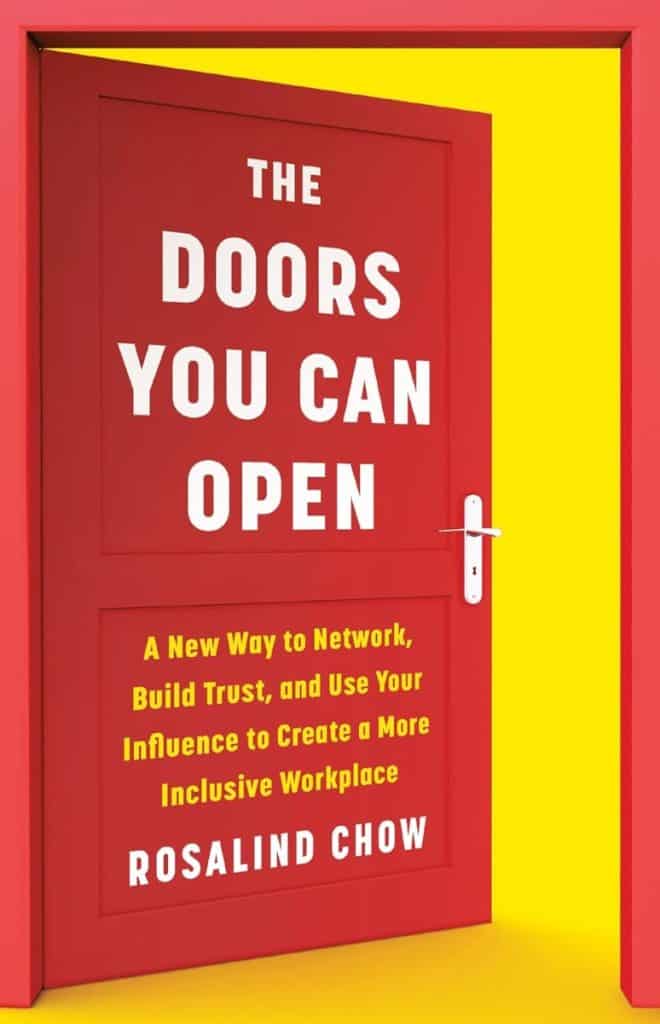
The Doors You Can Open sets out with a solid premise: rethink networking by embracing sponsorship as a way to build trust, influence, and more inclusive workplaces. Author Rosalind Chow aims to shift the professional conversation from transactional connections to intentional advocacy and support. The idea holds promise, especially as many organizations rethink how careers advance and how opportunity is distributed.
Where the book falters is in its execution. A significant portion of the content zeroes in on sponsorship for women and minority professionals. While this focus highlights an important and timely issue, it also narrows the book’s usefulness if you do not fall into those groups. That emphasis often feels disproportionate to the broader networking and influence framework the title suggests, and in places it undercuts the more universal lessons the book could be offering.
The examples Chow uses are decent and often engaging, but they lean toward being longwinded and include details that feel peripheral to the main message. Repetition is another challenge here. Core concepts are reiterated throughout the book without deepening the insight or presenting new angles, which makes sections feel padded rather than informative. A more disciplined edit would have helped tighten the narrative and sharpen the practical takeaways.
Another area where the book could have delivered more value is in its use of data. Some studies are referenced, but they rarely include hard numbers, percentages, or detailed statistics that would give the arguments more weight. In a book built on research and workplace dynamics, more robust evidence would make the claims more convincing and actionable.
That said, there is value in the central idea that sponsorship—advocating for and opening doors for others intentionally—can transform how we build relationships and influence outcomes in our careers. The book does succeed in reframing networking away from superficial tactics toward deeper, reciprocal professional engagement.
Overall I’d give The Doors You Can Open 2 out of 5 stars. It’s worth reading for the core concept and for leaders committed to inclusive workplace practices, but many readers will find that the focus and delivery limit how much actionable insight they walk away with. It has good intentions and a worthwhile message, but it doesn’t quite deliver on the broader potential suggested by its title.
